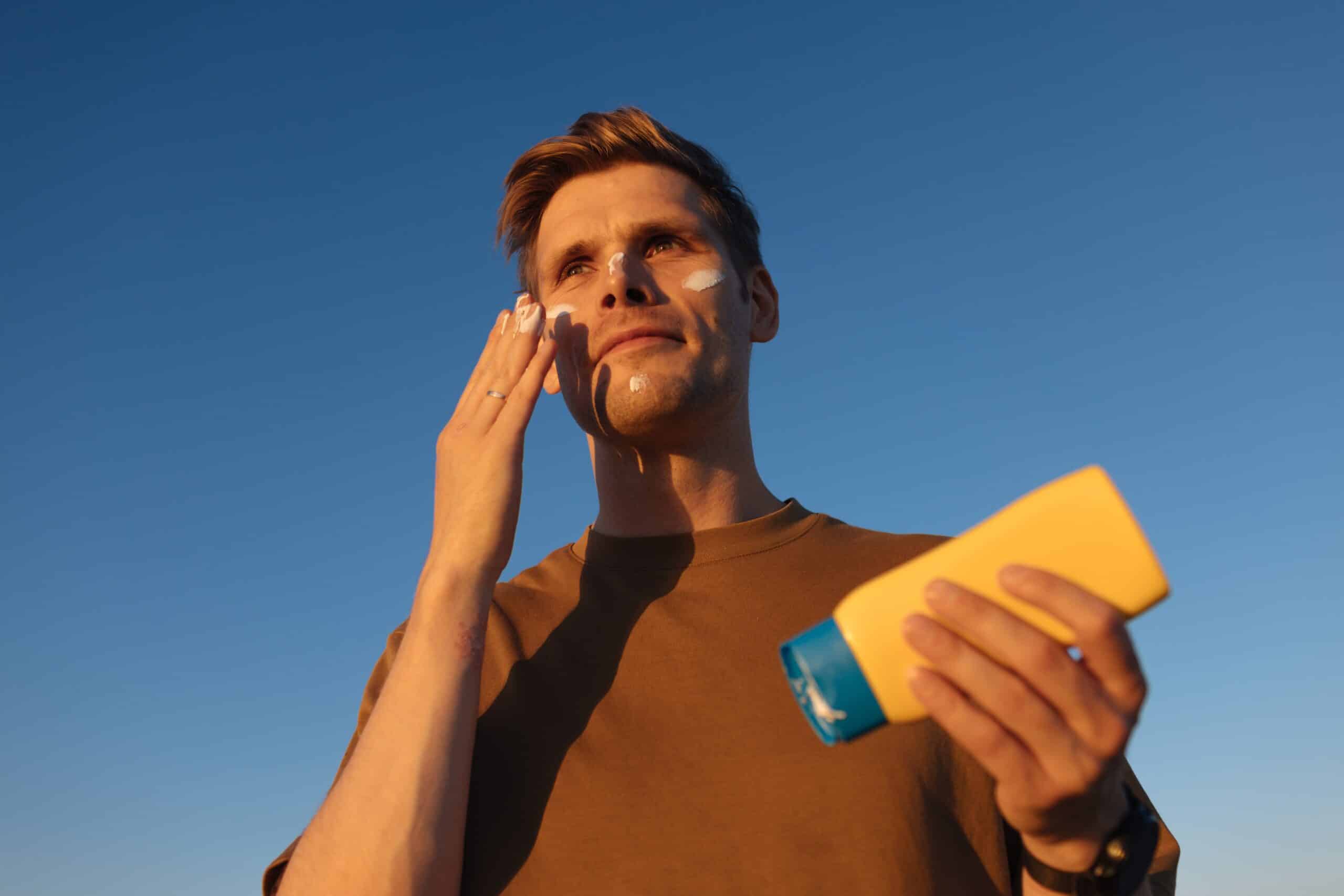















As we head into July, think Fourth of July barbecues, beach days, and long afternoons on the golf course, one question I hear almost daily is: “What’s the best sunscreen?”
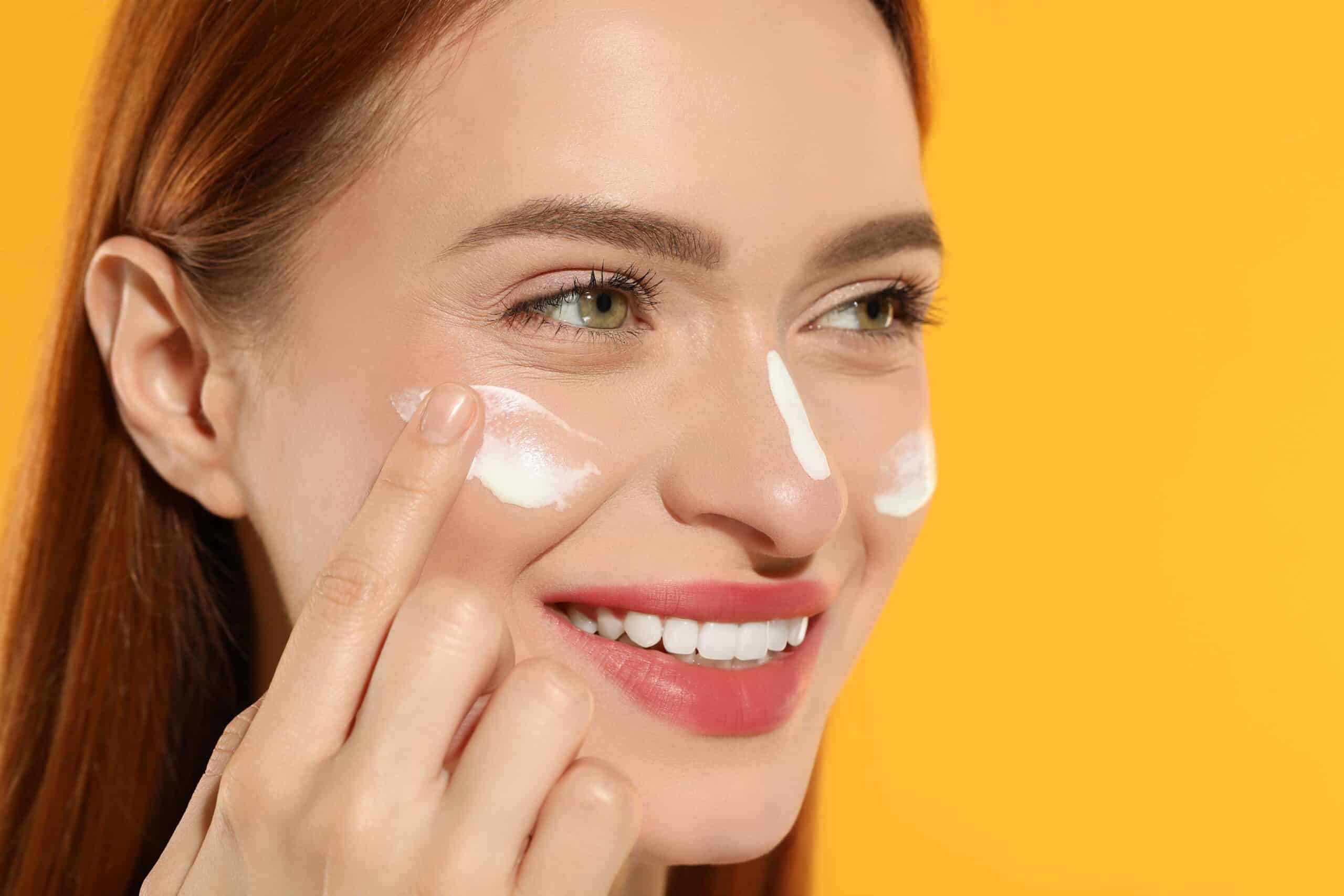
My answer is simple: the best sunscreen is the one you like and will use every single day. If it has SPF 30 or higher and is labeled broad spectrum (meaning it protects against both UVA and UVB rays), you’re on the right track.
Chemical vs. Mineral (Non-Chemical) Sunscreens
There are two main types of sunscreens, and understanding the difference can help patients choose what works best for them:
1. Chemical Sunscreens
These contain ingredients like avobenzone, oxybenzone, and octinoxate. They work by absorbing UV radiation and converting it into heat.
- Tend to feel lighter and more cosmetically elegant
- Easier to rub in without leaving a white residue
- Often preferred for daily facial use or under makeup
2. Mineral (Physical) Sunscreens
These contain zinc oxide and/or titanium dioxide and work by reflecting and scattering UV rays.
- Great option for sensitive skin
- Less likely to cause irritation
- Modern formulations are much more sheer than older versions
There is no “one-size-fits-all.” The right choice comes down to personal preference, what feels good on your skin and fits your lifestyle.
Myth #1: Sunscreen Causes Cancer
This is a persistent myth and it’s simply not supported by evidence. In fact, the opposite is true. Sunscreen helps prevent skin cancer, including melanoma, the most dangerous form.
Some concerns have been raised about absorption of certain chemical ingredients into the bloodstream. While detectable levels can be measured, there is no evidence these levels cause harm in humans. Regulatory agencies and dermatology experts continue to support sunscreen use as a critical tool in skin cancer prevention.
Myth #2: You Need Sun Exposure for Vitamin D
Another common misconception is that sunscreen use leads to vitamin D deficiency. While sunlight does help the body produce vitamin D, it’s not the safest or most reliable method.
Oral vitamin D supplementation is a far safer and more consistent way to maintain healthy levels, without exposing your skin to harmful UV radiation. Many of my patients (and I personally) take a daily vitamin D supplement.
Summer Habits That Make a Difference
Whether you’re hosting a Fourth of July barbecue, relaxing at the beach, or teeing it up on the golf course, keep these habits in mind:
- Apply sunscreen 15 minutes before sun exposure
- Reapply every 2 hours, or more often if swimming or sweating
- Don’t forget commonly missed areas: ears, neck, scalp, and hands
- Pair sunscreen with sun-protective clothing, wide-brimmed hats, and sunglasses
Why Sunscreen Matters Long-Term
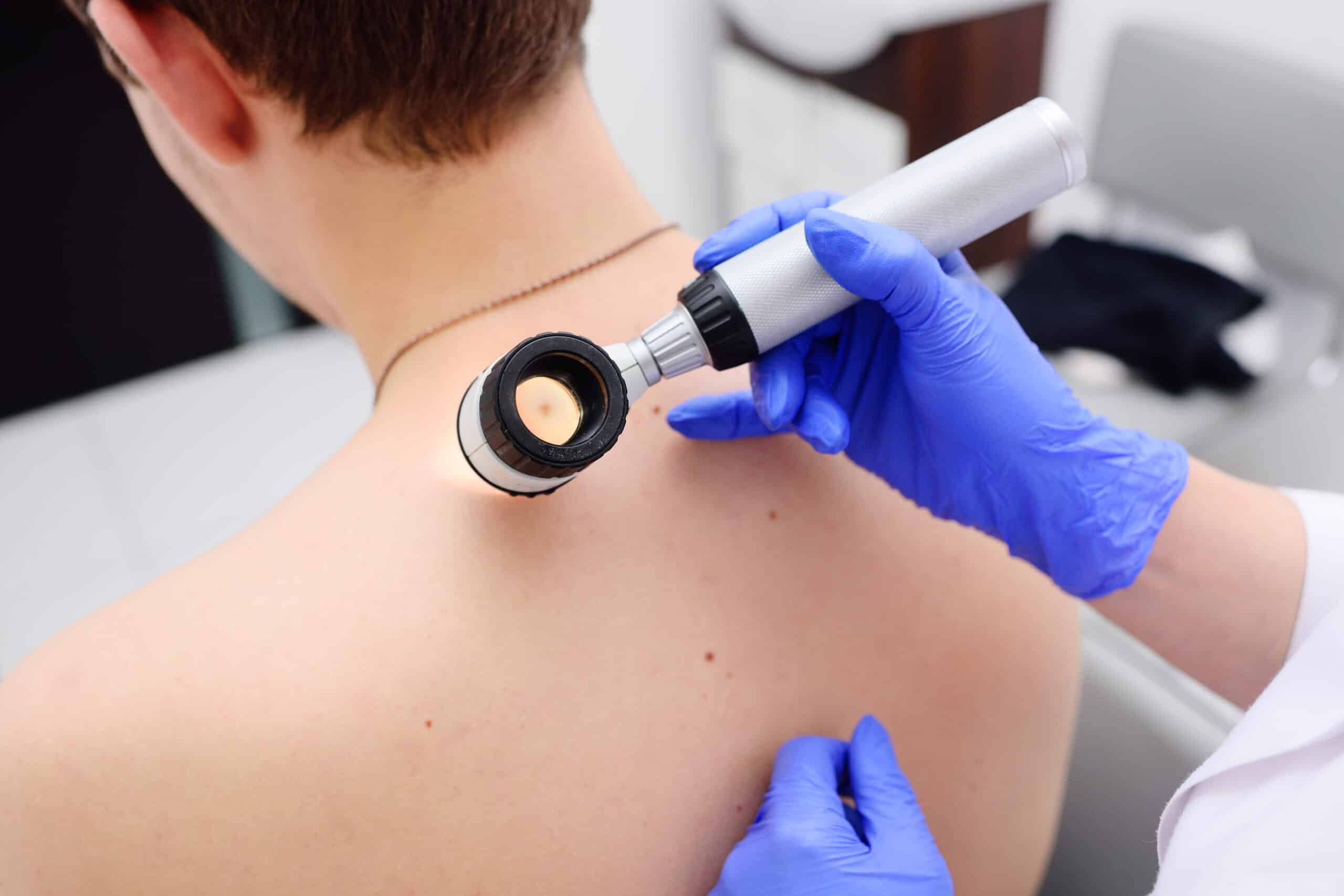
Consistent sunscreen use does more than prevent sunburn, it lowers the risk of skin cancer, including melanoma and non-melanoma skin cancers. Studies have shown that regular sunscreen users develop fewer precancerous lesions and invasive skin cancers over time.
Just as importantly, sunscreen is one of the most effective anti-aging tools we have. Daily use helps prevent premature aging, including fine lines, wrinkles, uneven pigmentation, and loss of skin elasticity caused by chronic UV exposure (photoaging). In other words, sunscreen not only protects your health, it helps your skin look better, longer.
Protect Your Skin with Daily Sunscreen
Daily sunscreen is one of the simplest ways to help protect your skin from sunburn, premature aging, and skin cancer. Choosing a broad-spectrum SPF 30 or higher formula that feels comfortable on your skin can make it easier to build lasting habits throughout the summer and every season that follows.
At Potozkin + Ellis in Danville, CA, our board-certified dermatologists help patients create practical skin health routines based on their skin type, lifestyle, sun exposure, and personal concerns.
You don’t need the “perfect” sunscreen. You need a sunscreen you’ll actually use. Make it part of your daily routine, just like brushing your teeth. Your future skin will thank you.
Schedule a consultation to receive professional guidance on sunscreen, skin cancer prevention, and long-term skincare.

Jerome Potozkin, MD, is a dual board certified dermatologist and Mohs surgeon and founder of PotozkinMD Skincare & Laser Center. A recognized expert in cosmetic and dermatologic surgery, he has been featured in The New York Times, NBC’s Today Show, and ABC’s 20/20, and has published research in multiple medical journals. He also teaches future dermatologists at UCSF and has held leadership roles with CalDerm and John Muir Medical Center.