














August is synonymous with sunshine, vacations, swimming pools, golf courses, and backyard barbecues. While enjoying the outdoors is one of summer’s greatest pleasures, it’s also a reminder to protect your skin from the sun’s invisible ultraviolet (UV) rays.
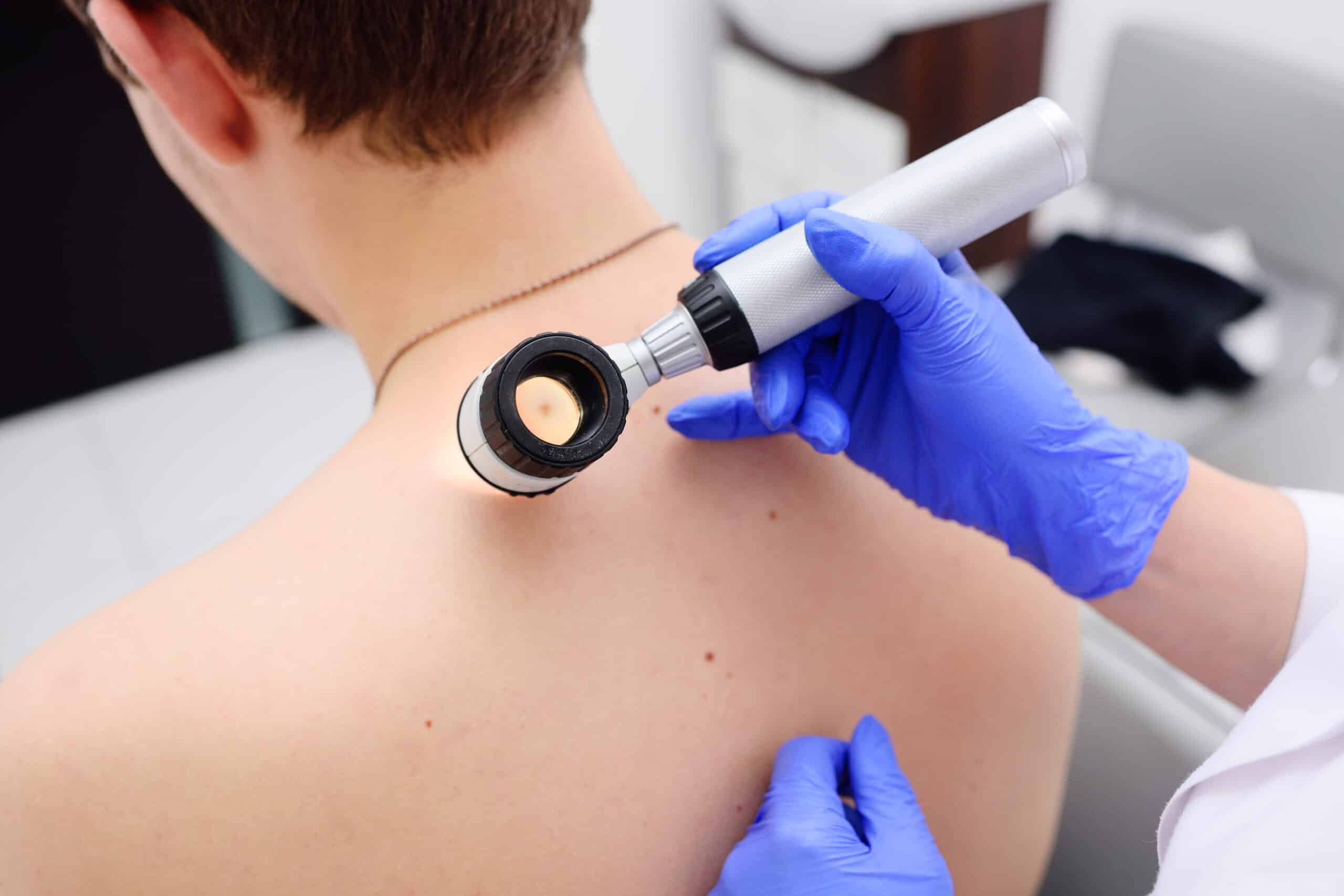
Skin cancer is the most common cancer in the United States, yet it is also one of the most preventable. Daily sunscreen use not only reduces the risk of melanoma and other skin cancers but also helps prevent premature aging, including wrinkles, brown spots, and loss of skin elasticity.
Why Bemotrizinol Sunscreen Approval Matters
Recently, the FDA approved bemotrizinol, the first new sunscreen active ingredient approved in the United States in more than 20 years. This is exciting news for both dermatologists and consumers. Widely used for years in Europe and Asia, bemotrizinol offers excellent broad-spectrum protection against both UVA rays, which penetrate deeply and contribute to aging and melanoma, and UVB rays, which cause sunburn. It is also highly photostable, meaning it continues to protect even after prolonged sun exposure.
Mineral vs. Chemical Sunscreen
There are two main types of sunscreen. Mineral (physical) sunscreens, containing zinc oxide or titanium dioxide, sit on the skin’s surface and reflect or scatter UV rays. They are an excellent choice for sensitive skin and young children. Chemical sunscreens absorb UV energy before it can damage the skin. Modern chemical filters, including bemotrizinol, allow manufacturers to create lightweight, elegant formulations that many people find more comfortable to wear every day. The best sunscreen is ultimately the one you’ll use consistently.
How to Apply Sunscreen for Effective Sun Protection
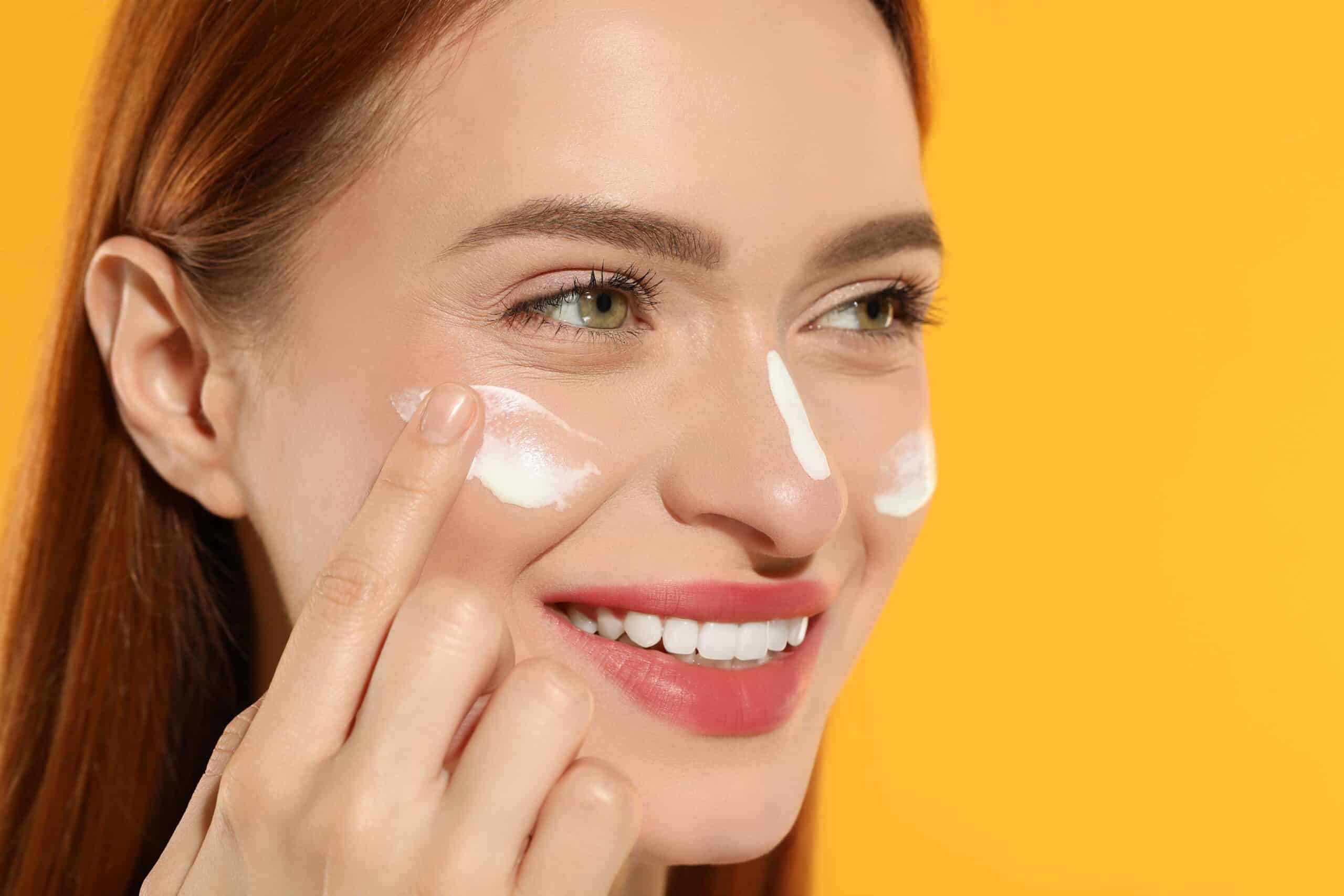
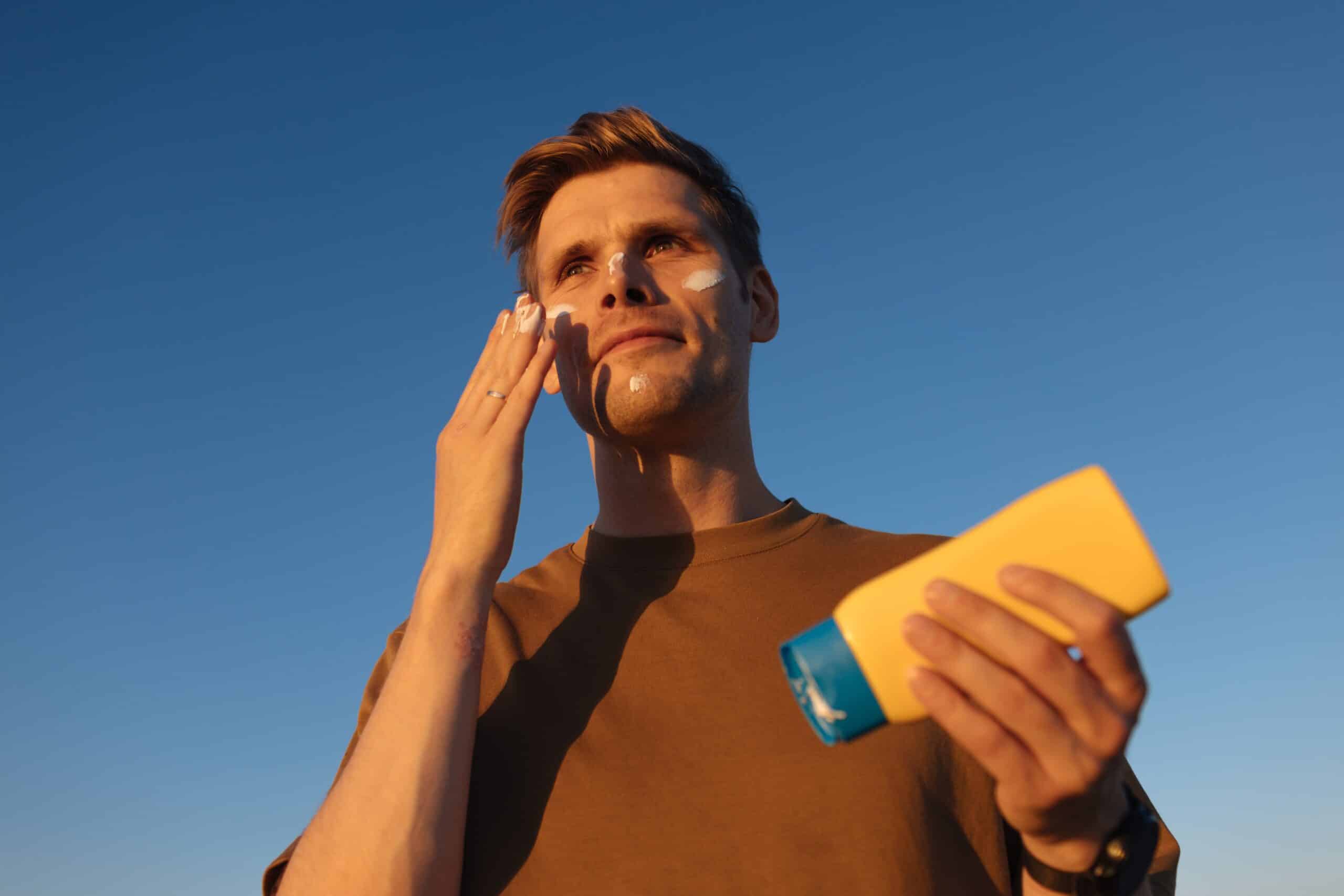
To get the full benefit of sunscreen, apply a broad-spectrum product with an SPF of at least 30 about 15 minutes before going outdoors. Most adults need approximately one ounce, about the amount that fills a shot glass to cover the entire body. Reapply every two hours, and immediately after swimming or heavy sweating, even if the product is labeled “water resistant.” Don’t forget commonly missed areas such as the ears, scalp, lips, tops of the feet, and the back of the neck.
Sunscreen Is Only One Part of Sun Protection
Remember that sunscreen is only one part of a comprehensive sun-protection strategy. Seek shade during peak sunlight hours, wear a wide-brimmed hat, UV-blocking sunglasses, and sun-protective clothing whenever possible.
Protect Your Skin This Summer and Beyond
As we savor the final weeks of summer, the approval of bemotrizinol represents another important step forward in protecting our skin. Whether you’re spending the day at the beach, hiking a trail, or enjoying a round of golf, protecting your skin today will help keep it healthier for years to come.
Discover Expert Dermatology Care in Danville
For expert guidance on sunscreen, sun damage, and maintaining healthy skin year-round, schedule a consultation with Potozkin + Ellis Dermatology in Danville, CA. Our experienced dermatology team provides personalized care for patients throughout the East Bay.

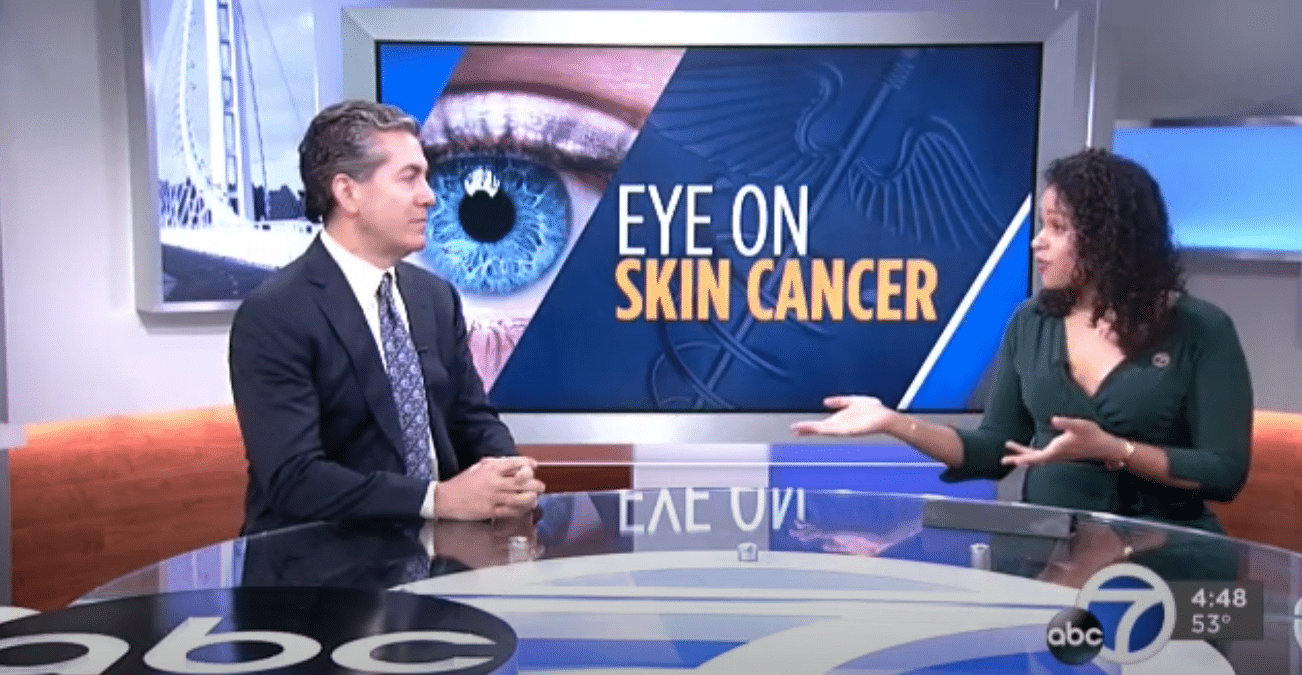
Jerome Potozkin, MD, is a dual board certified dermatologist and Mohs surgeon and founder of PotozkinMD Skincare & Laser Center. A recognized expert in cosmetic and dermatologic surgery, he has been featured in The New York Times, NBC’s Today Show, and ABC’s 20/20, and has published research in multiple medical journals. He also teaches future dermatologists at UCSF and has held leadership roles with CalDerm and John Muir Medical Center.